2026 will be an important year for Ukraine in terms of financing and investment aimed at rebuilding the country and continuing its development towards Europe. Miran Capital, which specialises in raising guarantees and investment, offers an overview of the main financing priorities that businesses, communities and state bodies should be aware of.
1. Financing for Ukraine's recovery

The immediate task is rebuilding the infrastructure, housing, industrial facilities and transport destroyed during the war. Ukraine is actively attracting international investment and grants for reconstruction:
- The EU Reconstruction Fund — one of the key support mechanisms, providing financing to modernise critical infrastructure and energy.
- The International Bank for Reconstruction and Development (World Bank) — finances projects rebuilding infrastructure, water supply, electricity supply and social housing.
- NATO programmes and those of other partner organisations, which support the modernisation of the defence industry.
This area of financing is strategically important for maintaining economic stability and rebuilding the regions.
2. Financing communities for sustainable development
Ukrainian communities are receiving increasing support to develop strategies and strengthen their resilience:
- European Union programmes such as EuropeAid and Horizon Europe, aimed at developing innovative solutions in local government.
- Financing from the Regional Development Fund, which helps communities deliver projects in energy efficiency, the environment, education and digitalisation.
- Support under the national "Capable Communities" strategy — the state encourages communities to develop local infrastructure and invest in social infrastructure.
These programmes help communities become more self-sufficient and more attractive to investors.
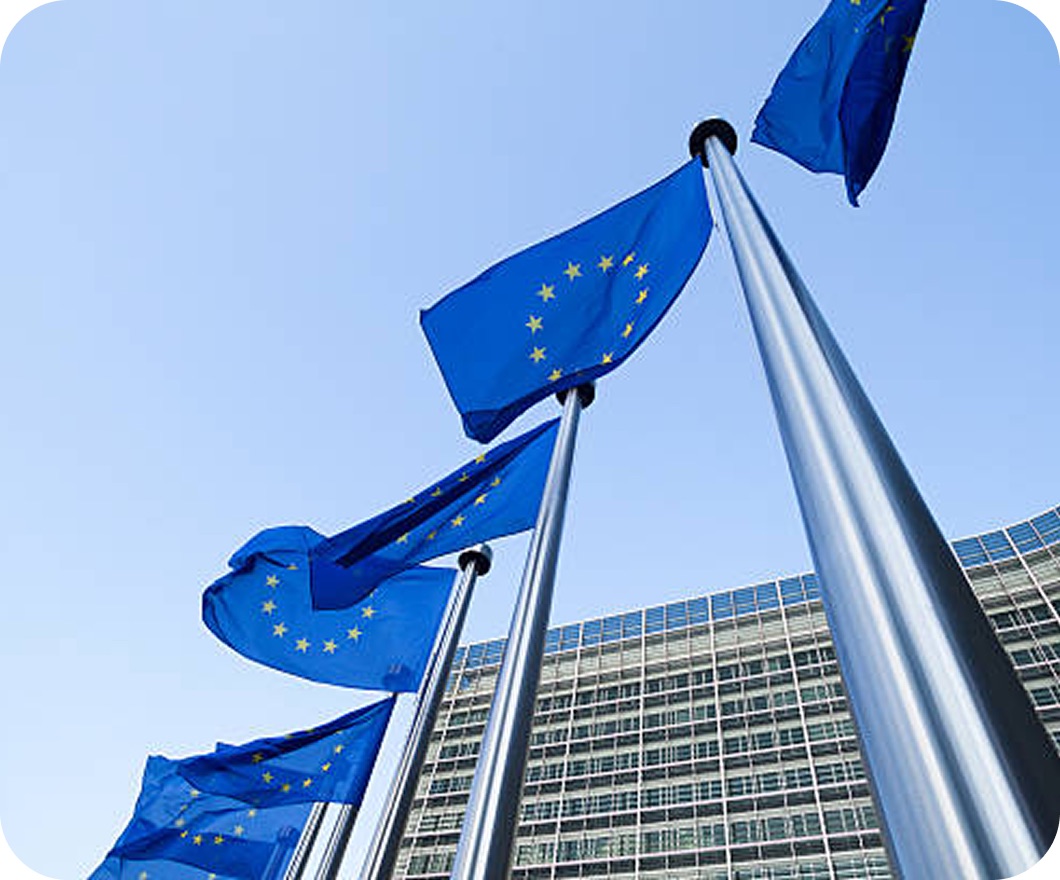
3. Grants for European Union accession
Ukraine's accession to the EU brings with it the need for institutional reform and higher qualifications:
- Financing from the Ministry of Finance and the Ministry of Economy for training programmes for businesses adapting to European markets and standards.
- Technical assistance programmes covering the development of new policies, regulations and anti-corruption reforms.
- Grants from EU structures such as the European Neighbourhood Instrument (ENI), supporting workforce training and entrepreneurship.
This area is key to integrating Ukraine into the European economic space.
4. Grants for civil society organisations and the social sector
An important aspect of financing is support for vulnerable groups:
- Programmes for veterans, aimed at reintegration into civilian life, financed by international funds including UNDP and the EU.
- Financing for social assistance projects in combat zones, employment support and help for vulnerable groups.
- Support for civil society initiatives in education, medical care and psychological support.
This helps build social resilience and protect the most vulnerable categories of the population.

5. Grants for business
Businesses receive a range of guarantees from both the state and international partners:
- State loan guarantee programmes and partial risk cover, which support the development of small and medium-sized business.
- International financial institutions (EBRD, IFC) provide guarantees and investment on favourable terms.
- Financing for innovative start-ups and technology projects through various business support funds, including programmes in energy efficiency and environmental technology.
These instruments create favourable conditions for scaling businesses and attracting additional investment.
Financing in Ukraine in 2026 will follow clearly defined priorities designed to deliver comprehensive recovery, support the development of communities and business, and advance integration into the European space. Miran Capital provides professional help in raising grants and investment across all of these key areas, supporting the successful growth of its partners.